
Hello, I'm Yu Yun Wu
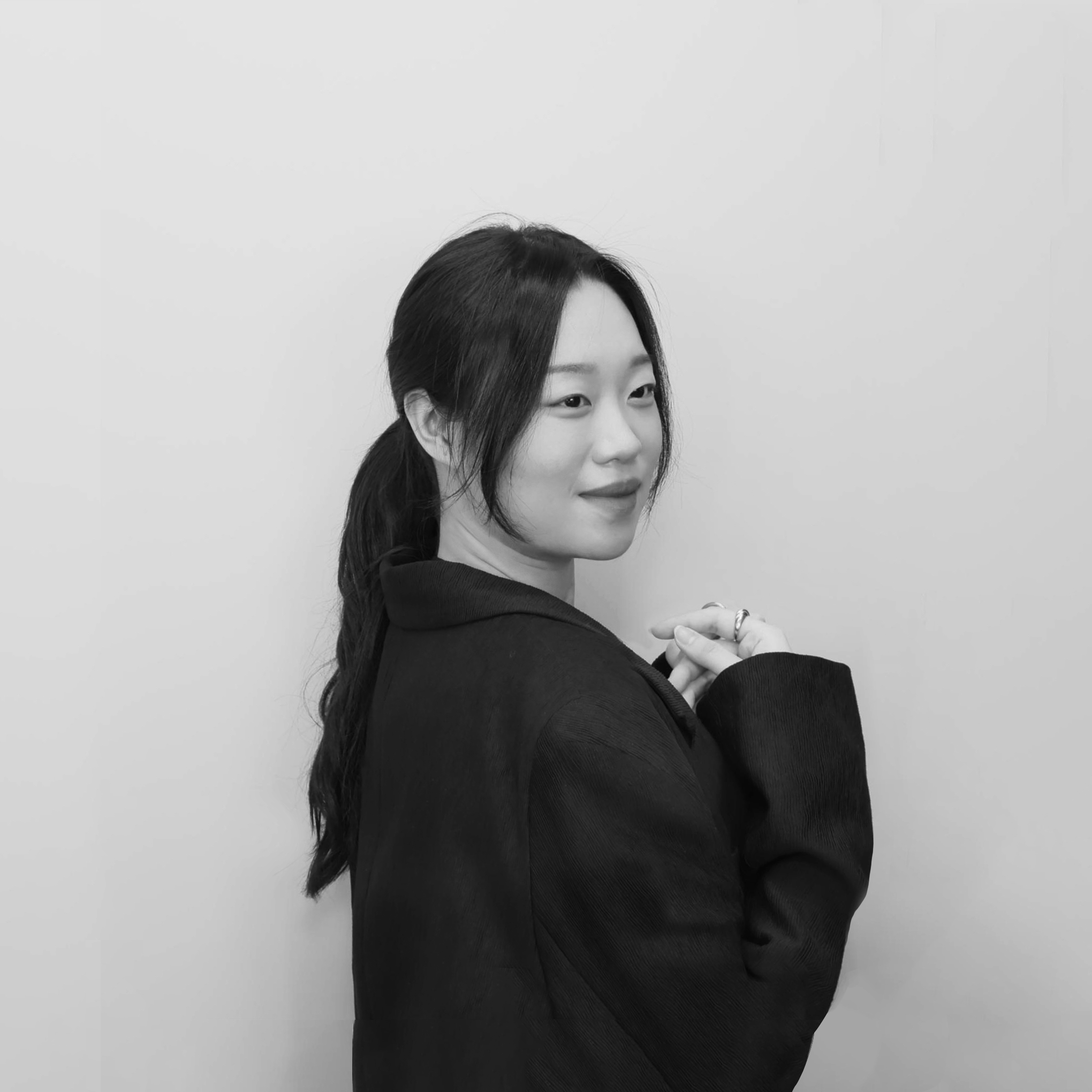
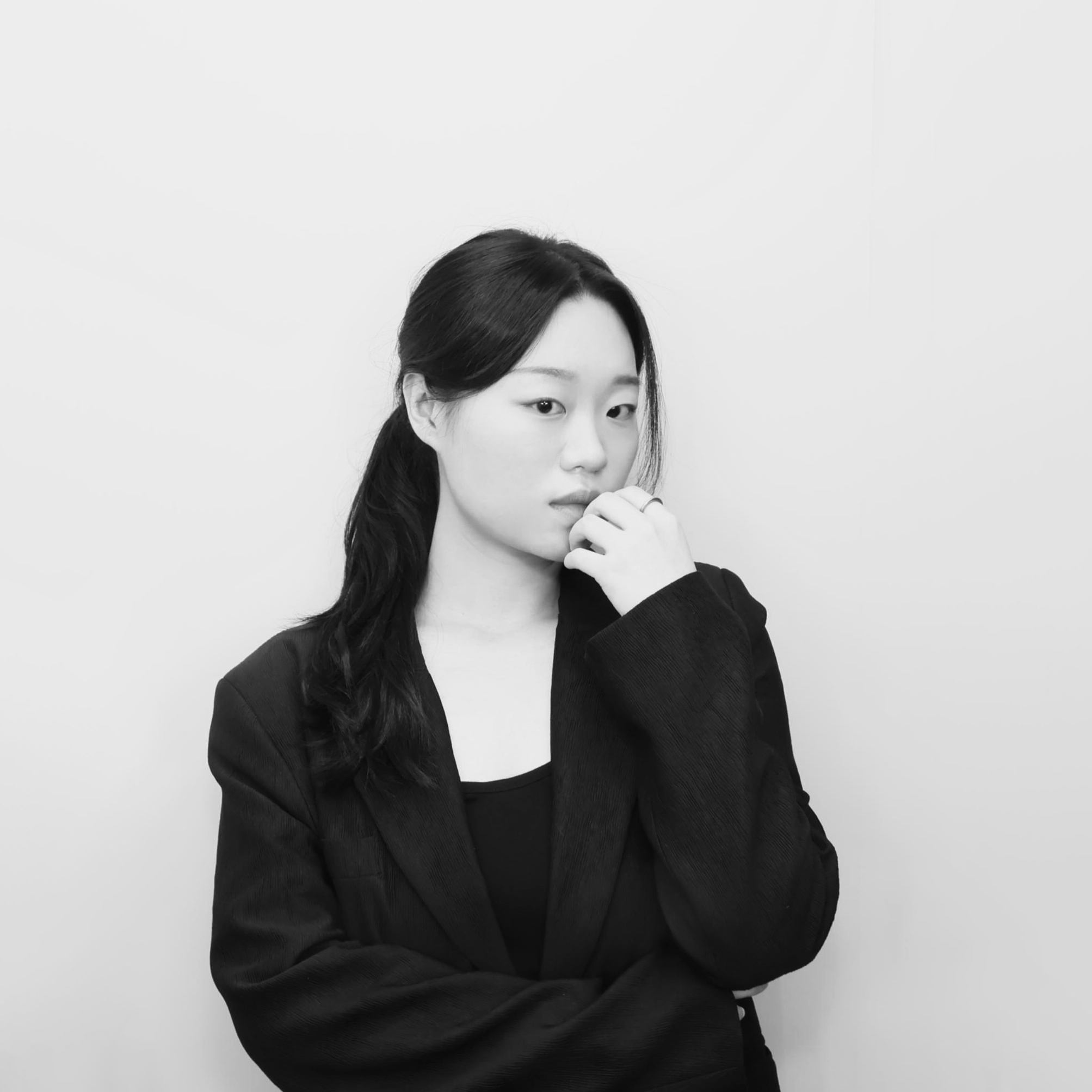
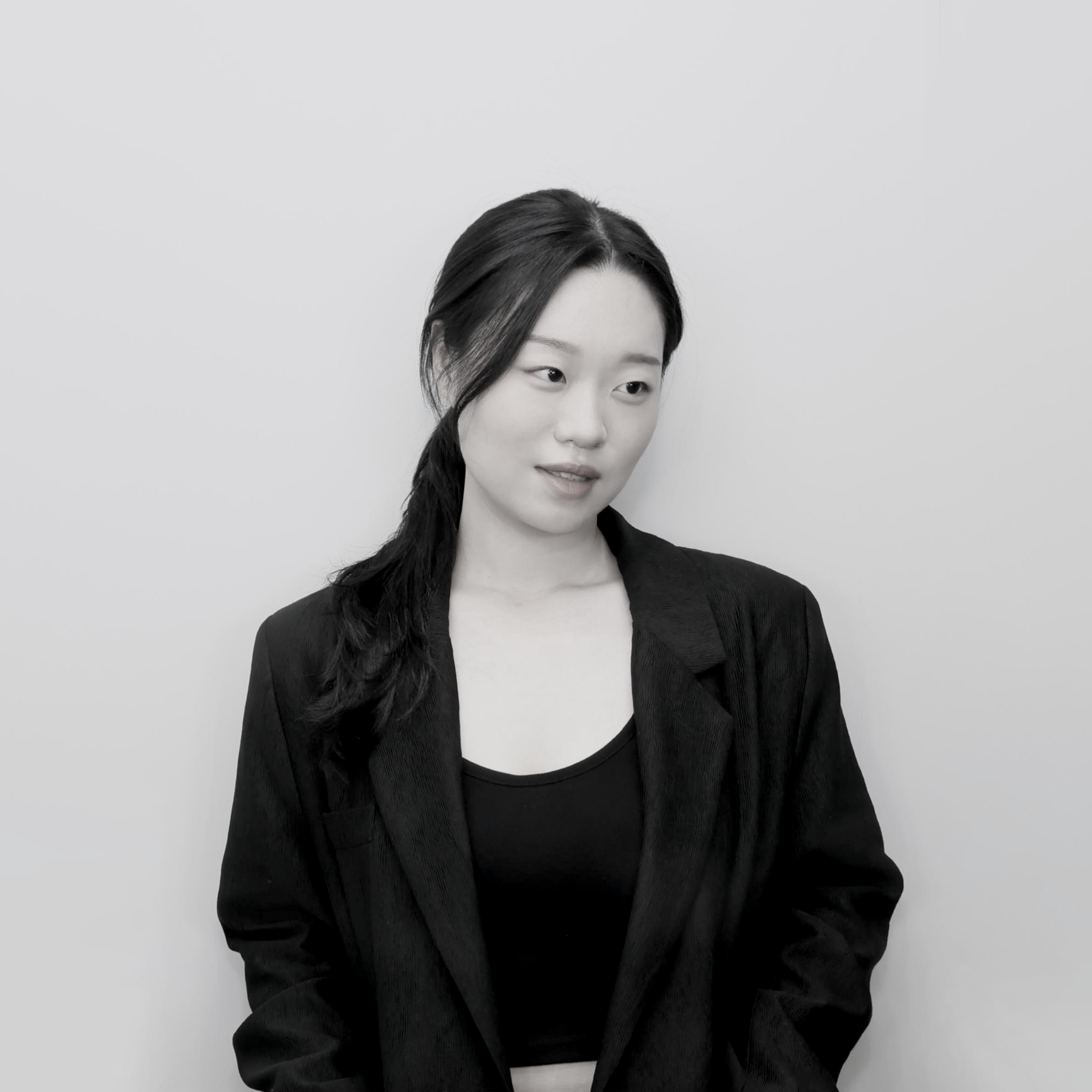
3+ years design experience
I have three years of design experience focused on complex B2B SaaS systems. I'm currently at GoFreight, a B2B ERP used by over 1,000 freight forwarding companies, where I'm on the AI & Data Team designing the AI product line. I also use Claude Code to build structured, maintainable design prototypes that the team can iterate on and turn into working demos.
Before this, I joined 5GIOTLEAD as their first and only designer. ServicePleX was an AIoT management system for smart poles, which the company designed and manufactured in-house. It was a small early-stage team that operated like a lab. My work spanned both hardware and software, from physical pole specs through to the management UI, plus adjacent work that mattered including product marketing, partner conversations, and proposals.
Both GoFreight and 5GIOTLEAD put me on the early end of a product, working end-to-end from concept through to ship. That's where I'm most engaged.
“Working with Yu-Yun has been an absolute pleasure. During our design collaborations, she always brings deep, insightful perspectives to the table, sparking meaningful discussions that elevate the final product.”
What kind of designer am I?
collaborative · curious · outcome-driven
I think of myself as a collaborator before a title, here to help the product get better. I work best across disciplines, alongside PMs, engineers, content designers, and researchers. The work goes deep when there's mutual trust and everyone's in it for the product, and that's where I do my best thinking. My side projects are where I dig into new tools and techniques on my own time, and what I learn there feeds back into work. Underneath everything sits the same goal of shipping something that actually solves a real user need.
How do I collaborate with a team?
early · iterative · aligned
Most of my collaboration with PMs and engineers happens early and in tight loops. I want to be in the conversation while the problem is still being shaped, so what we build actually answers the right question. After that, I keep small Figma updates and quick prototypes circulating between both sides, with AC clarified before anything is queued, so neither team rebuilds work that didn't fit. The whole thing rests on everyone reacting to the same artifact. That's where misalignments surface early, while they're still cheap to fix.